
Advice
Damp, plaster and render: how the three fit together.
Most damp problems on Sussex homes get misdiagnosed because only one part of the wall is looked at. Here is how the three trades connect, what the symptoms actually mean, and what a proper repair involves.
A wall is one system, but it is usually looked at by three different trades. The renderer sees the outside face, the plasterer sees the inside, and the damp specialist is called in when a patch appears near the skirting. When each one treats only their own part, the water keeps coming back and the household pays twice.
The order matters. Water gets in from outside first, travels through the masonry, and only then shows on the inside as a stain, a tide mark or plaster that sounds hollow when tapped. Replastering that inside face without finding out why it got wet is the single most common waste of money we are asked to put right. Equally, damp proofing an internal wall that is actually being soaked from a cracked elevation solves nothing.
The useful question is not "what is this stain", but "where is the water coming from, and what has it damaged on the way through". That is why we look at the whole elevation, the ground levels, the rainwater goods and the room inside before quoting anything. On a typical Sussex house, that inspection takes a single visit.
Rising damp
Ground water travelling up through the wall because the damp proof course has failed, been bridged by a raised path or patio, or was never installed. The tell is a tide mark low on the wall, usually with skirting and floorboards affected.
Penetrating damp
Water getting in from outside through cracked or blown render, failed pointing, blocked gutters or a leaking roof. It shows as a damp patch that grows after rain, often high up or on a weather-facing wall.
Condensation
Moisture produced inside the building settling on the coldest surface, usually a wall or ceiling with little ventilation. It is not a structural defect, and treating it as damp can lead to unnecessary work.
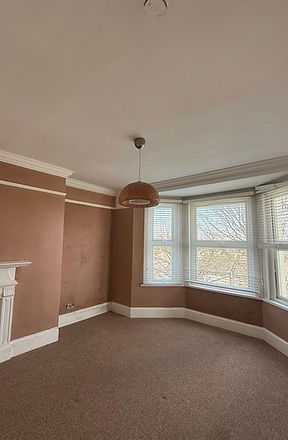
A room taken back to the walls after a damp treatment, before the new plaster goes on.
What we look at first
- Ground levels and how they sit against the damp course
- Gutters, downpipes and any staining below them
- Render condition on the weather-facing elevations
- Ventilation in the affected room
- Whether the plaster is sound, blown or contaminated with salts
Sequencing the work
Why render, damp and plaster are one job.
The sequence below is what most repairs follow. Anything found once the wall is opened up is discussed before it adds to the cost.
- 01
Find the source
Inspect outside and inside together, and rule out condensation before treating anything as rising damp.
- 02
Make good the outside
Repair failed render, pointing and rainwater goods so that no new water can reach the wall.
- 03
Treat or dry the wall
Install a damp course or injection where needed, then let the masonry dry to a workable level.
- 04
Remove the damaged plaster
Take off contaminated plaster and salt-damaged finishes back to a sound background — not just skim over.
- 05
Replaster and finish
Use a salt-resistant renovating plaster, then finish so the wall is ready to decorate.
Common questions
Can you skim over damp plaster?
Not safely. Gypsum skim over a damp or salt-contaminated wall traps the moisture and the salts blow the new finish within months. The contaminated plaster has to come off back to sound background, the wall has to be treated or dried, and a salt-resistant renovating plaster is used before any finish goes on.
How do I know if my render has failed?
Tap it. Sound render gives a dull, solid sound; blown render sounds hollow and often moves slightly under pressure. Visible signs are hairline cracking across the whole elevation, render that has bellied away from the wall, and damp patches appearing on the inside face of an external wall.
Does new plaster need to dry before painting?
Yes. Fresh plaster holds a lot of water and needs to dry out before it is sealed and painted, typically several days for a skim and longer for a full re-plaster or a backing coat. Painting too early traps moisture and shows as patches and flaking.
Do you work on one room, or whole houses?
Both. Plenty of jobs are a single ceiling or one damp wall; others are a whole house being brought back before sale or letting. The process is the same — look at the work, explain what is needed, put the price in writing, then sequence the trades so plastering and rendering are not held up.
Not sure what you have
Send a description and we will tell you what is worth looking at across West & East Sussex.